CRM Dashboard
A cloud-based CRM platform for Cadabra.ai, designed to help sales teams visualize pipelines, manage customer accounts, and act on real-time data.
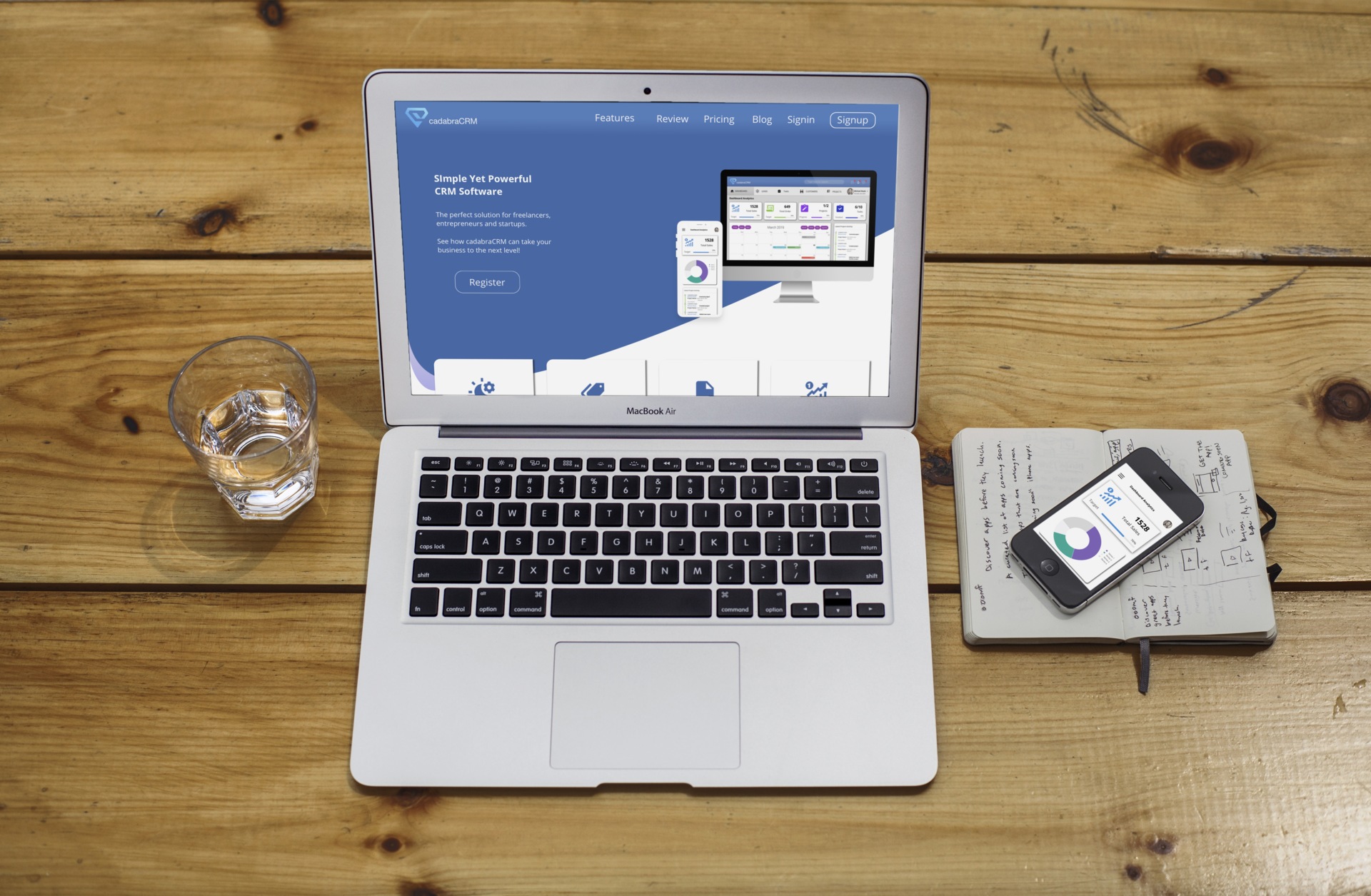
A cloud-based CRM platform for Cadabra.ai, designed to help sales teams visualize pipelines, manage customer accounts, and act on real-time data.
Cadabra.ai was building a cloud-based CRM platform with a focus on simplicity and sales coaching — something genuinely different from the bloated, hard-to-navigate tools already on the market. I joined as the UX/UI designer to design the end-to-end experience of the application.
The product needed to serve multiple user types: sales reps managing day-to-day deals, managers tracking team performance, and business owners who needed a clear view of their pipeline and customer data.
Sales professionals spend a huge portion of their day in their CRM, but most tools feel like they were designed by product managers, not salespeople. Data entry is tedious, pipeline views are cluttered, and getting meaningful insight requires digging through multiple screens.
Problem statement: Design a CRM interface that is simple and intuitive for sales professionals, with clear pipeline visibility, before and after sale account management, and real-time data access.
I ran user interviews with high-level sales professionals and business executives to understand how they actually used their CRM tools day to day, what frustrated them, and what they wished they had. That research directly shaped the information architecture and the key views in the product.
From there I worked through low-fidelity wireframes, iterated with stakeholders, and delivered high-fidelity UI and prototypes in Sketch and InVision.
The key design decisions came directly from the research. Sales reps needed a pipeline view they could scan in seconds. Managers needed account-level visibility. Everyone needed to know the status of a deal without clicking through five screens to find out.
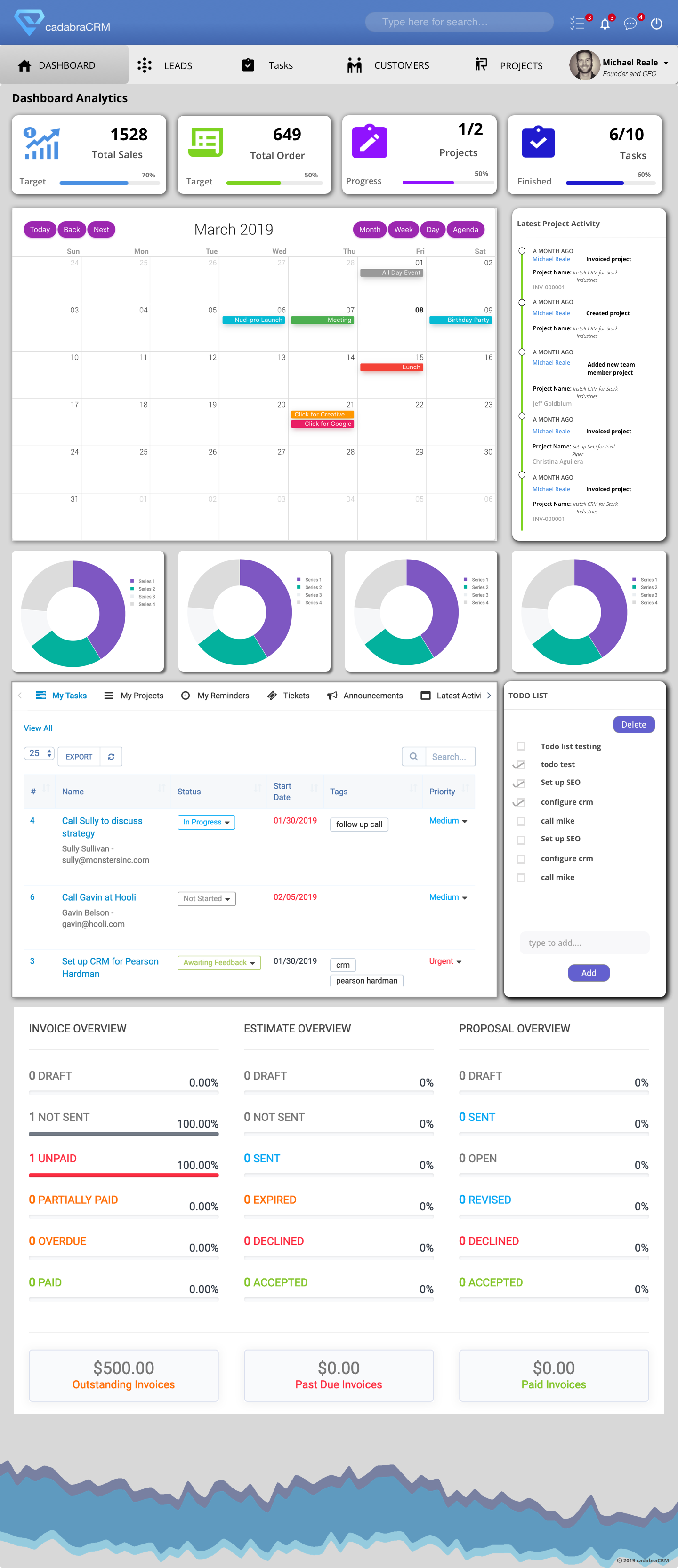
Main dashboard view
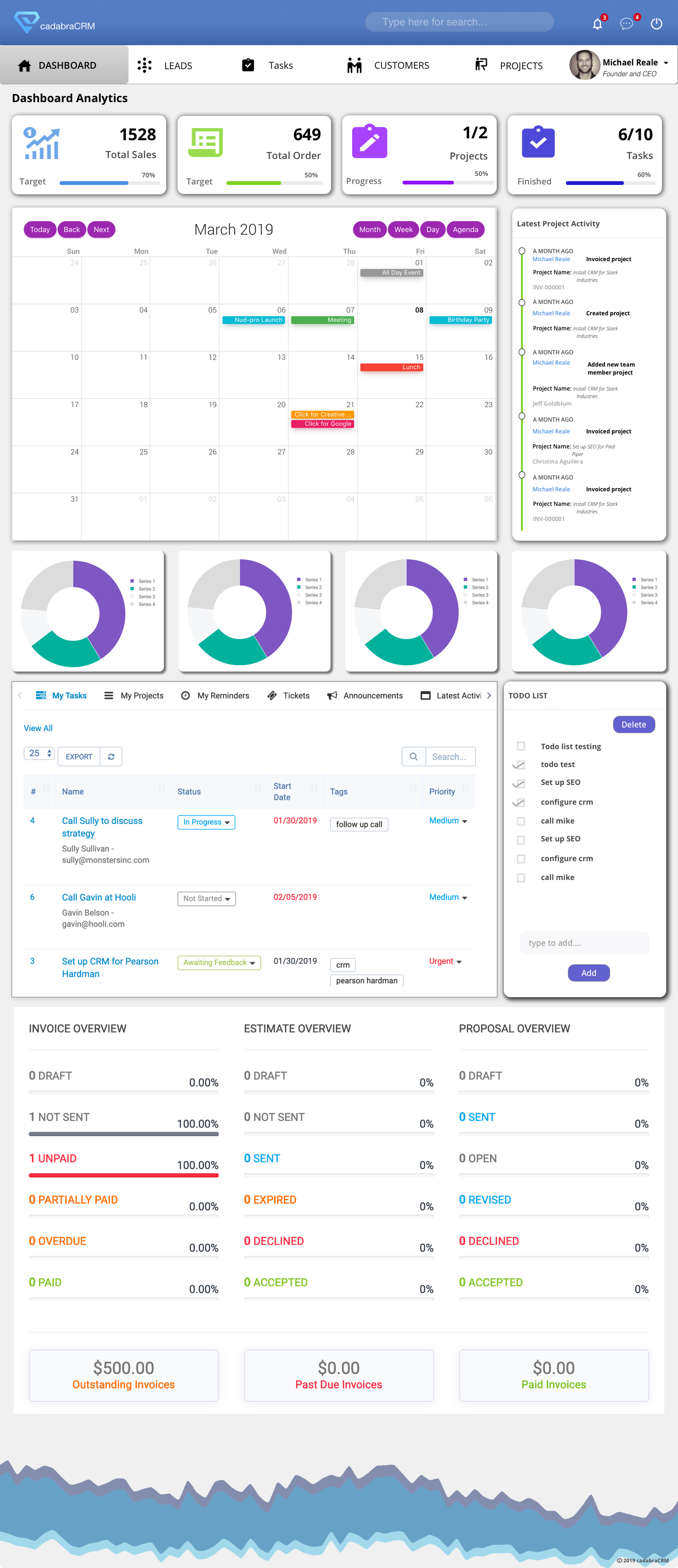
Prototype screens
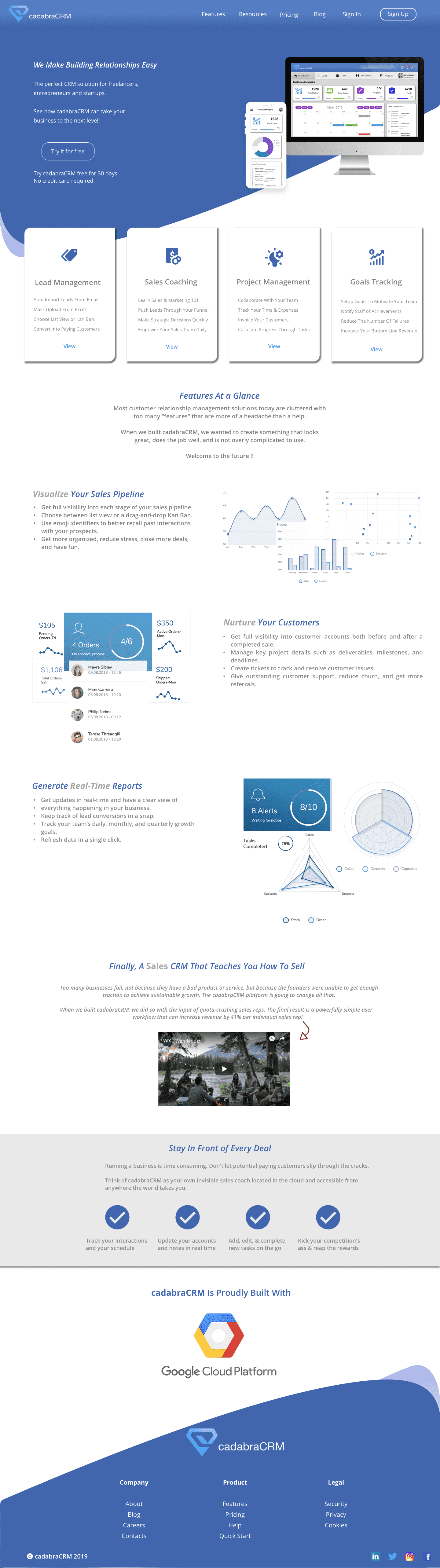
Additional screens
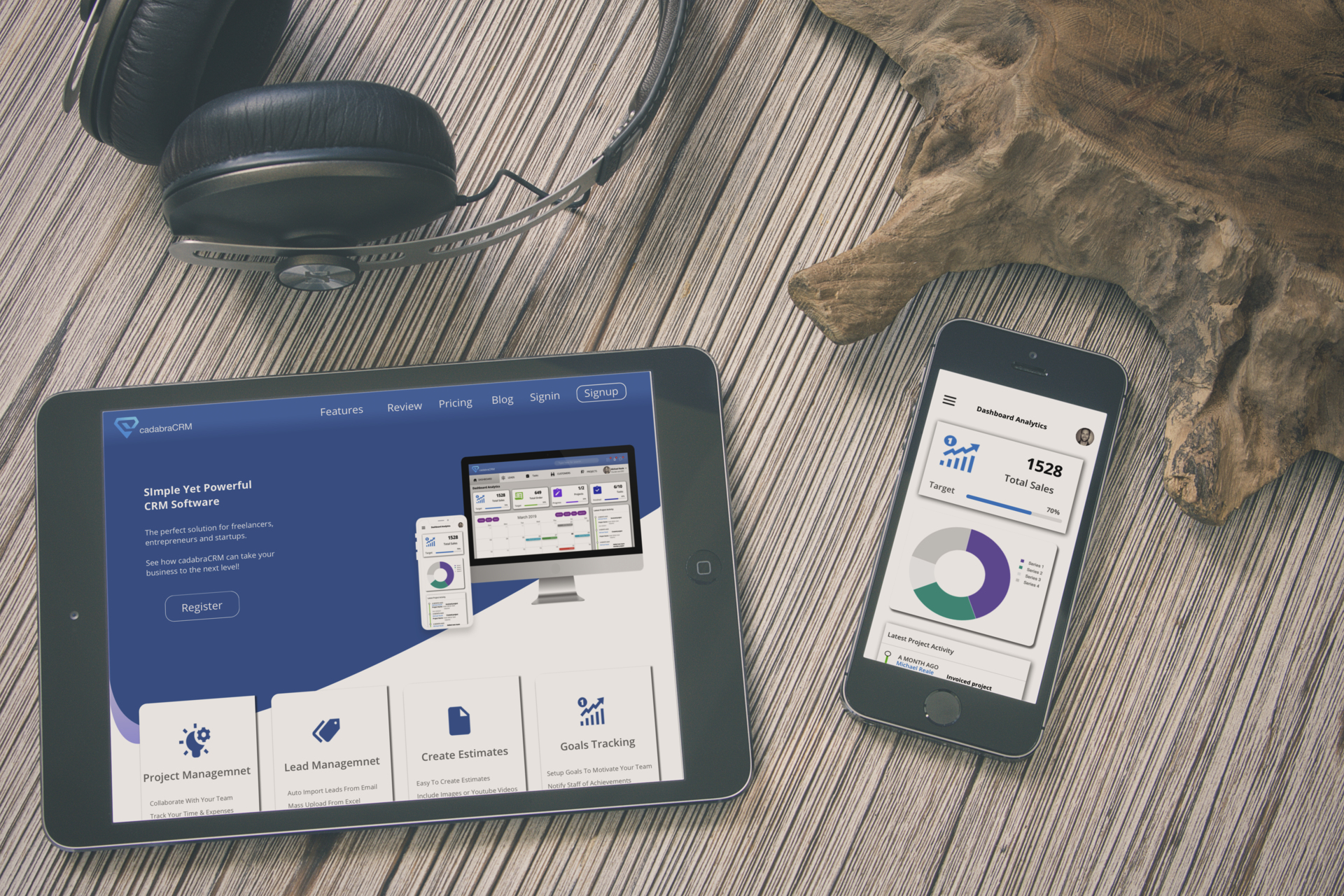

The product gave sales teams a clear view of their pipeline, visibility into customer accounts before and after a completed sale, and access to real-time data without the usual friction. The research-driven approach meant the final design reflected how salespeople actually think about their work, not just how CRM data is structured.